
Queensland strata legislation has quirks that frustrate committees, exhaust managers, and cost lot owners money. In one of LookUpStrata’s most enlightening sessions to date, advocates Will Marquand from Tower Body Corporate and Chris Irons from Strata Solve took turns pitching legislative reform proposals to judge Michael Kleinschmidt from Bugden Allen Group Legal. One argued the case, and the other played devil’s advocate, tearing the submission down. Michael then delivered his verdict, and the audience voted in real time via live polls.
Every proposition debated on the day was submitted by our audience in advance, making this a genuine reflection of what the Queensland strata community wants to see change. Here is what the session revealed.
QLD: The law is an ass. Strata legislation in the dock – June 2026
The audit motion: confusing owners for years, and 87% want it fixed
Will Marquand opened with what he predicted would be the most popular proposition of the day, and he was right. The current audit motion requires owners to vote ‘yes’ when they mean ‘no’ and ‘no’ when they mean ‘yes’. During every body corporate meeting, Will has to stop and explain how the motion works, and people still get it wrong. His case: switch it to a straightforward, ordinary resolution.
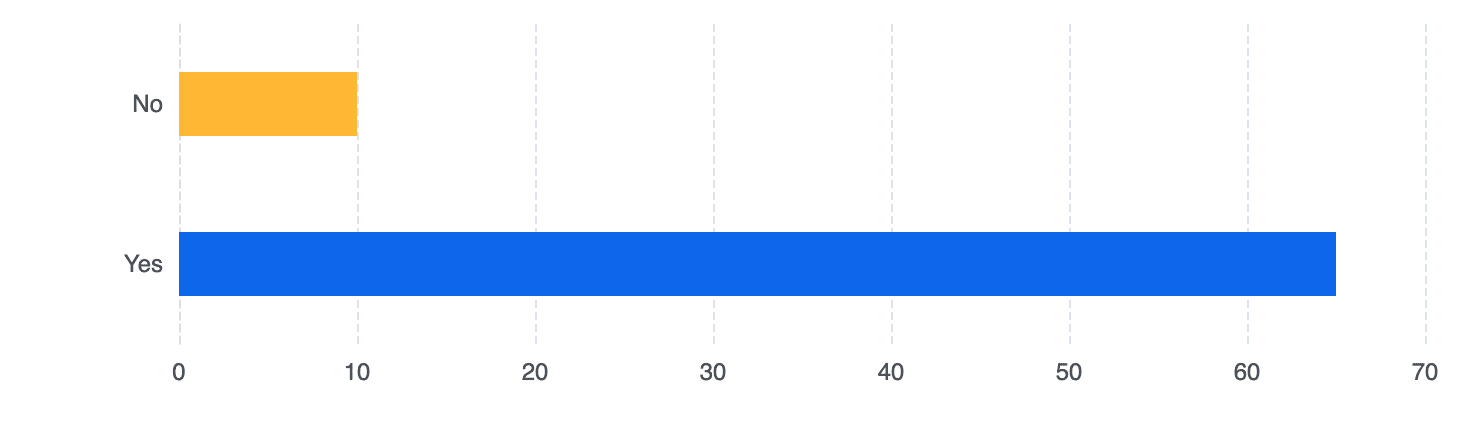
Chris argued the counterintuitive framing is deliberate, designed to draw attention to the motion and make people think carefully before voting. Michael ruled in favour of simplifying the motion, noting that body corporate managers across Queensland would save roughly half an hour per meeting just by not having to explain it. The audience agreed strongly, with 87% voting yes.
Poll result: Should the audit motion change to an ordinary resolution?
Loans, training, and the small schemes threshold
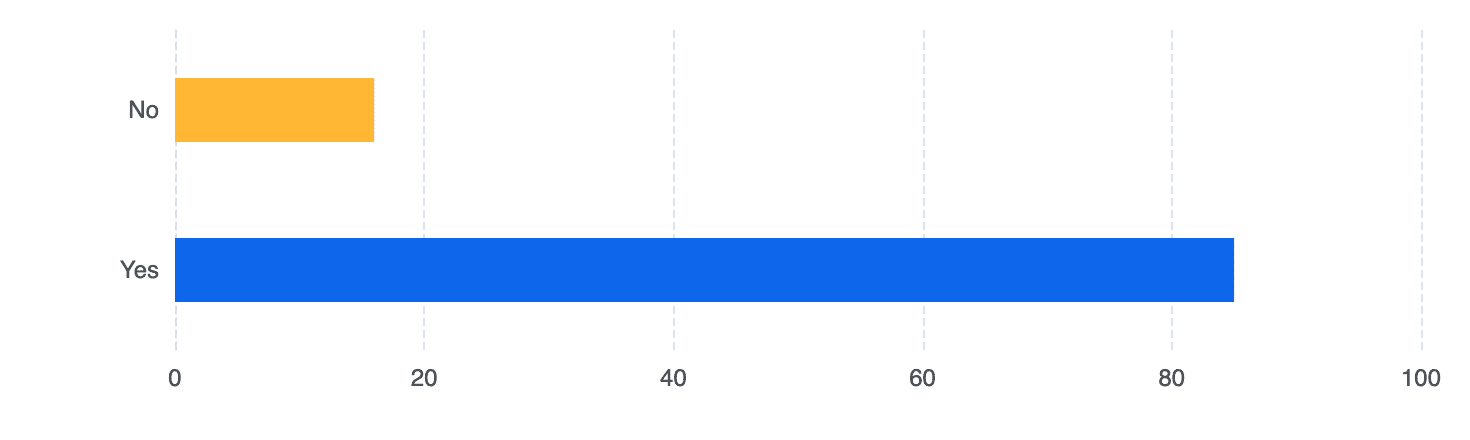
The proposal that standard module owners should be able to approve a loan by special resolution, rather than the current stricter requirement for a motion without dissent, drew 84% audience support. Despite that, Michael found against the change, arguing that even one or two objecting owners retain the right to be heard. It was one of the session’s clearest splits between what the audience wanted and what the judge decided.
Poll result: Should standard module owners be able to approve a loan by special resolution?
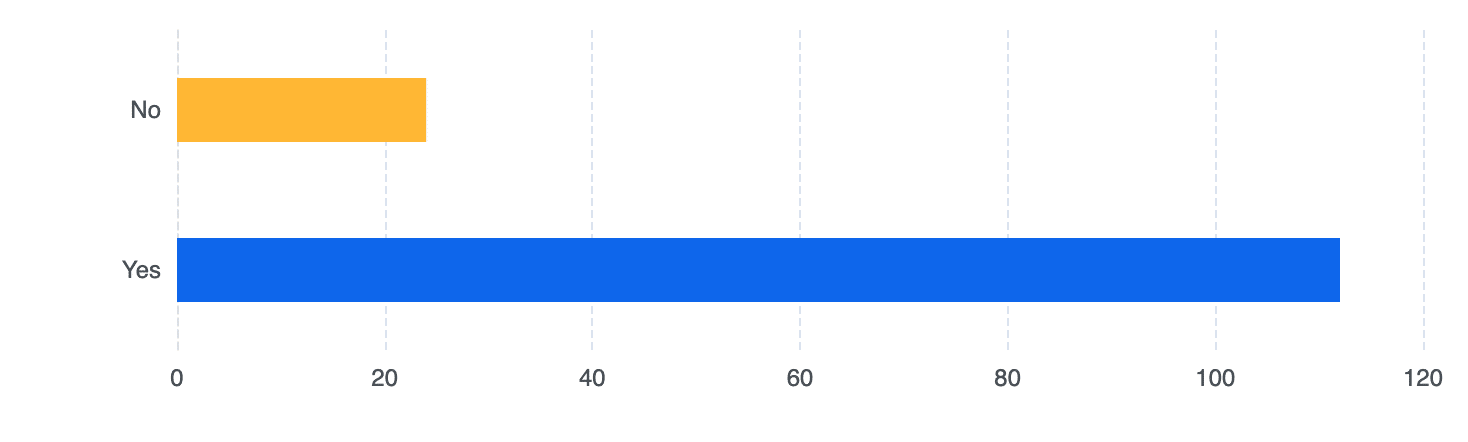
Mandatory committee training drew 82% support. Chris argued strongly for it, pointing to the significant financial and legal decisions committees are asked to make with no minimum qualification required. Will played devil’s advocate, suggesting training would add burden to already overstretched volunteers and that the people least likely to engage are the ones least likely to benefit from a course. Michael ruled in favour, but went further than anyone expected. His verdict: every person who buys into a community title scheme in Queensland should be required to complete training before settling their purchase. As he put it, half the problems in body corporate management come from people who simply do not know what a body corporate is.
Poll result: Should committee members complete mandatory training before taking on the role?
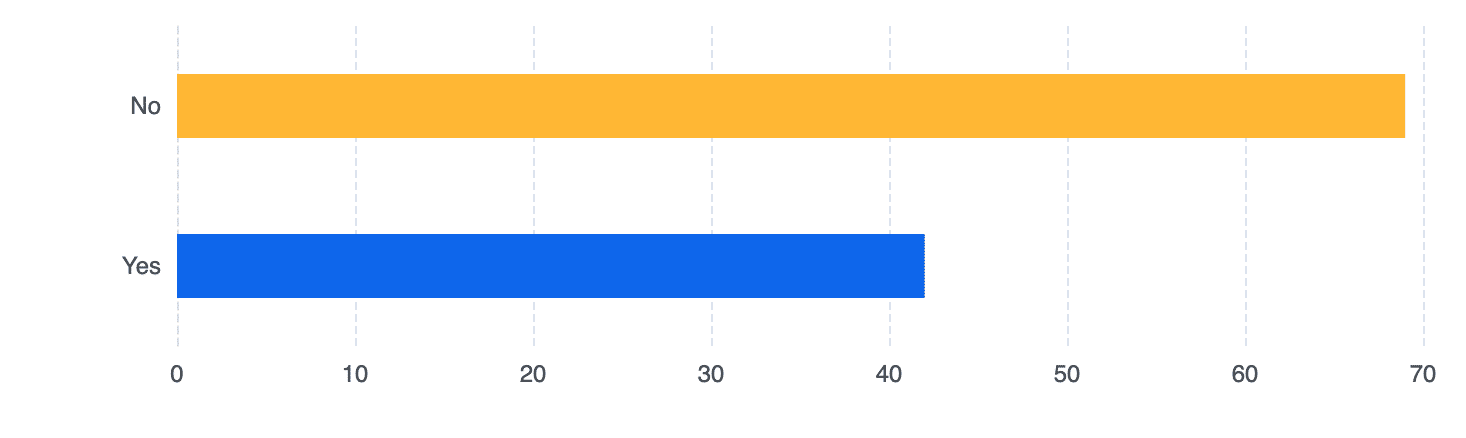
The proposal to expand the small schemes module from 6 to 20 lots was the session’s most contentious debate. Will argued the six-lot threshold is arbitrary and leaves many small schemes buried in legislation that was never designed for them. Chris called it one of Will’s craziest ideas. He pointed out that roughly three quarters of all Queensland schemes are already six lots or less, meaning the change would be far more radical than it sounds, and that handing significant decision-making power to one or two people in schemes up to 20 lots creates real governance risk. Michael ruled against the expansion, and 62% of the audience agreed with him. A few people in the chat suggested 10 lots as a more workable number, and one participant noted they have seven units, sitting just outside the current threshold.
Poll result: Should the small schemes module expand from 6 to 20 lots?
Quorum, vacancies, and by-law fines: the debates that divided the room
The proposal that the chair of a meeting should be able to declare a quorum regardless of attendance drew the session’s most lopsided poll result, with 75% voting no. Will argued that adjourned meetings are a waste of time and money and that NSW has already implemented a similar change. Chris countered that quorum requirements exist for good reason, as they are the trigger for a group decision to carry legitimate effect. Michael sympathised with the problem but not the solution, finding against the change while acknowledging the current adjourned meeting process is clunky and in need of reform.
Poll result: Should the chair be able to declare a quorum regardless of attendance?
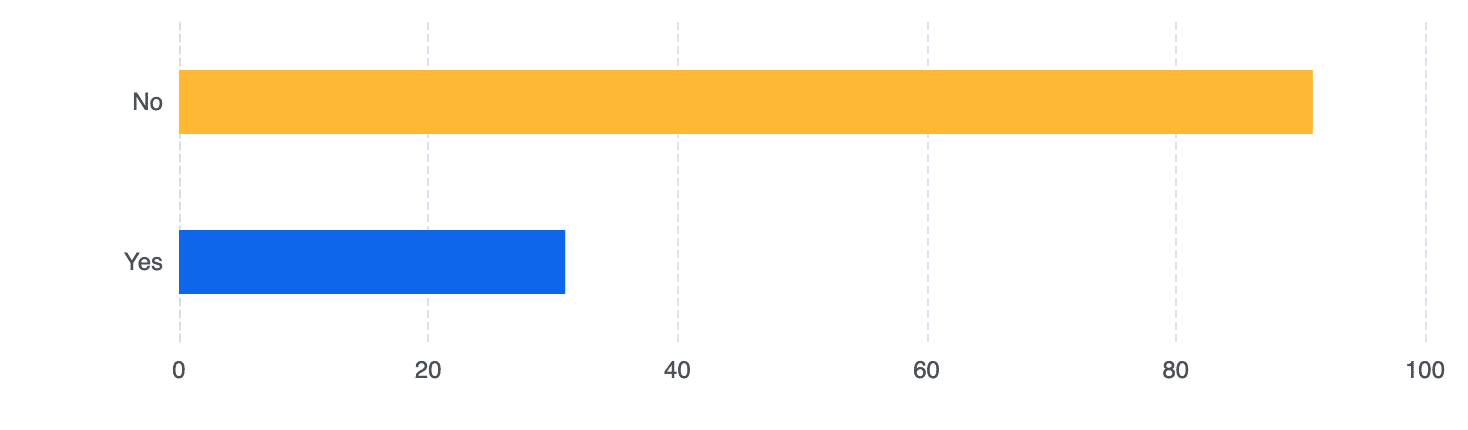
The proposition that vacancies need not be filled provided a minimum number of members remains split the audience almost evenly, with 58% voting no. Will argued there is no practical benefit in forcing committees to backfill positions when the remaining members are perfectly capable of running the scheme. Chris drew a colourful analogy to the federal parliament eligibility crisis, arguing that committees should continue in the form chosen by owners at the AGM. Michael found against the change but noted something worth considering: vacancy processes often bring new people onto committees who would never otherwise have been asked, and that nursery effect has real value.
Poll result: Should committee vacancies be required to be filled?
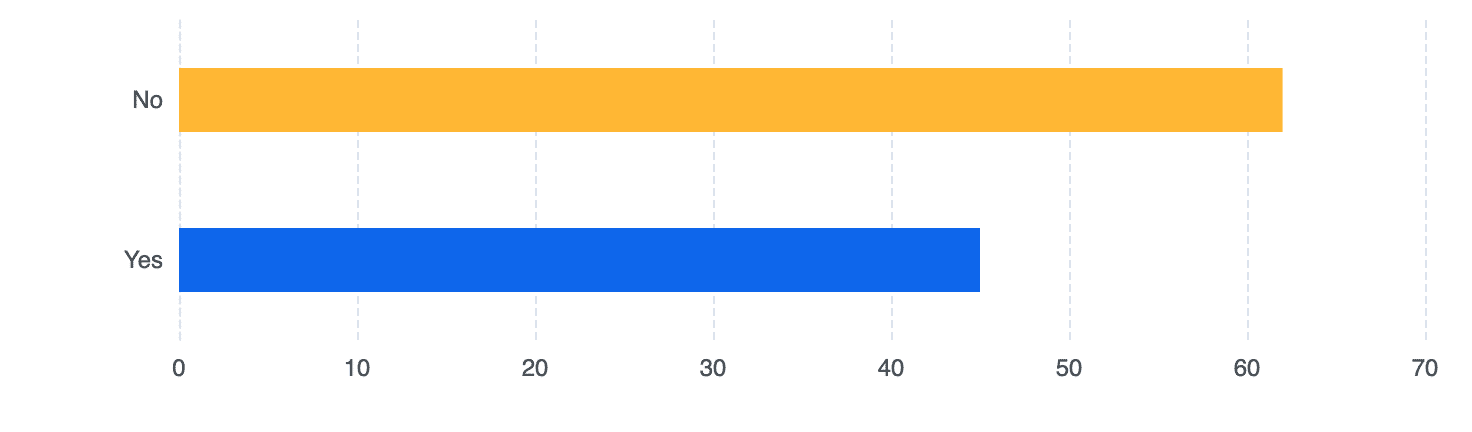
By-law fines produced one of the hottest exchanges of the session. Will advocated for giving bodies corporate the power to fine owners for breaches, arguing that the current enforcement tools, breach notices and commissioner applications months later, do nothing to resolve immediate problems. Chris played devil’s advocate with genuine conviction, warning that fines would be ripe for exploitation and vendettas. Off script, he then admitted he personally agrees fines are needed, because an impact on the hip pocket is the surest way to change behaviour. Michael found in favour of a fining power but proposed a tightly designed system: a mini-brief submitted by the committee, assessed by the commissioner’s office within 48 hours, with the fine recovered through the state penalties enforcement register. The poll was the closest of the session: 56% yes, 44% no. Chris observed afterwards that the closeness of that result is probably why Queensland has not moved on this yet. The social licence is not quite there yet.
Poll result: Should bodies corporate be able to fine owners for by-law breaches?

Bullying, insurance commissions, and the two biggest poll results
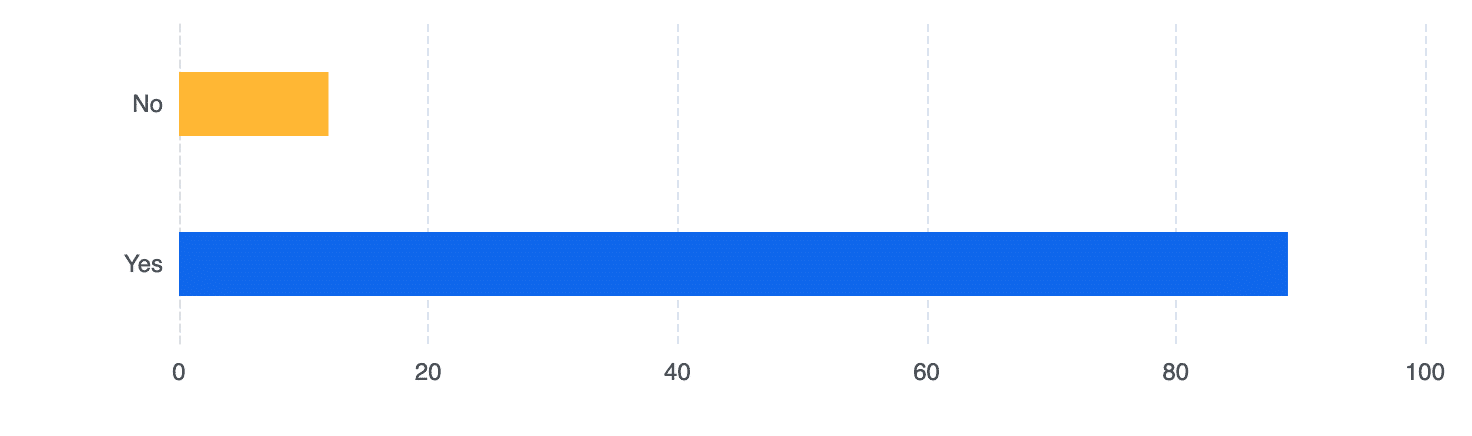
The bullying and harassment debate produced one of the session’s most nuanced rulings. Chris proposed that the BCCM Act include specific definitions of bullying and harassment, with a finding against someone carrying the penalty of removal from committee eligibility. Will argued these are societal issues that should be addressed at a broader legislative level rather than within body corporate law specifically, and that introducing specific rules risks creating a new tool for manipulation. Michael ruled against the specific mechanism Chris proposed, but not because he disagreed with the problem. His position was that the better path is to extend the existing Summary Offences Act public nuisance provision to the semi-public setting of a body corporate meeting, rather than inserting new standalone definitions into the BCCM Act. He noted this is something the Australian College of Strata Lawyers is actively considering. The audience voted 87% in favour of meaningful change in this area.
Poll result: Should the BCCM Act include specific provisions for bullying and harassment?
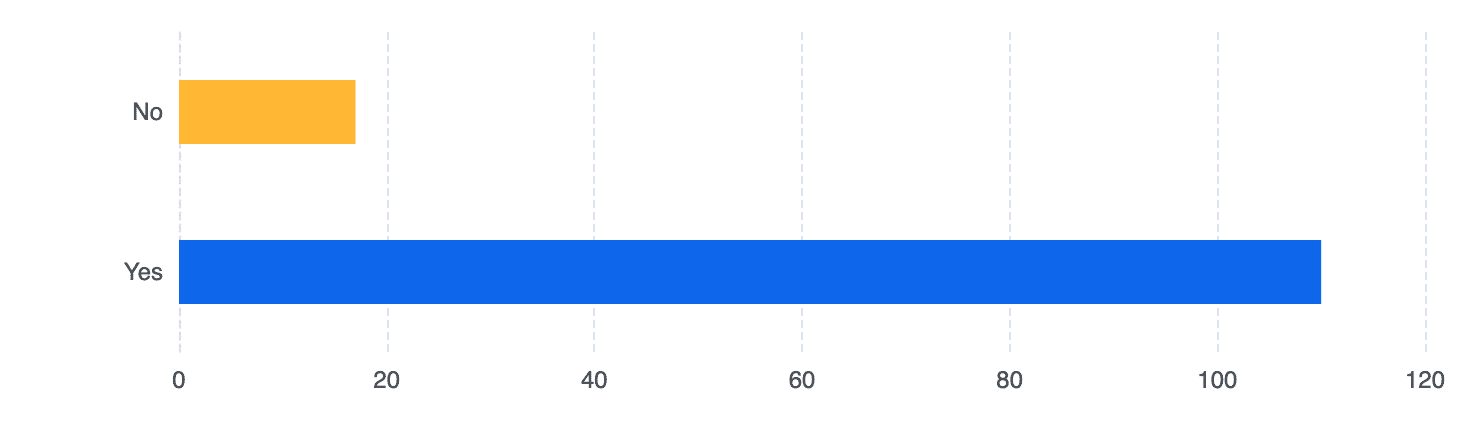
The session closed with insurance commissions, which produced the day’s strongest result. Chris argued that the correct term is conflicted remuneration, and that a body corporate manager cannot serve two masters. The moment a manager receives commission from an insurer, their decision-making is compromised, regardless of whether they intend it to be. Will noted that Tower Body Corporate stopped accepting insurance commissions two to three years ago, and the business continues to operate without them. In his devil’s advocate role, Will argued that a commission is just a payment by another name, and that moving from commission to fee-for-service simply shifts the label, not the cost. Michael called that sophistry and found strongly in favour of an outright ban, going further to call for a dedicated strata cop with the powers of a standing commission to investigate and prosecute conflicted remuneration. The audience voted 88% in favour of banning it.
Poll result: Should conflicted remuneration be banned?
What happens next
Michael committed during the session to taking the most promising proposals to the Australian College of Strata Lawyers, where he currently serves as President, to explore whether they can be adopted as formal policy and put to the Queensland Government. Both Michael and Chris sit on the Attorney General’s Community Titles Legislation Working Group, which means there is a genuine pathway for these ideas to reach the people who can act on them. As Chris noted from his own years of experience drafting legislation, the squeakiest wheel usually gets the grease, but not always. What matters is that the proposals are practical, grounded in reality, and hard to dismiss. On the evidence of this session, the LookUpStrata community is more than capable of making that case.
Presenters
Chris Irons
Strata Solve
E: chris@stratasolve.com.au
P: 0419 805 898
William Marquand
Tower Body Corporate
E: willmarquand@towerbodycorporate.com.au
P: 07 5609 4924
Michael Kleinschmidt
Bugden Allen
E: michael.kleinschmidt@bagl.com.au
P: 07 5406 1280
This article is based on the LookUpStrata webinar QLD: The Law is an Ass: Strata Legislation in the Dock, presented by Chris Irons, Strata Solve, Will Marquand, Tower Body Corporate, and Michael Kleinschmidt, Bugden Allen Group Legal.
This post appears in Strata News #795.
Excellent article: QLD: The law is an ass: Queensland strata’s biggest frustrations debated live
Nice idea for Committee Members to have training BUT reality is that it is difficult enough to attract Committee Members in the first place
That’s a point well-taken, but I’d say good committee members (or potential ones) would welcome training, as long is was do-able (ie, able to be completed in a do-able time frame, etc)….