


This article discusses owners corporation obligations for accessible common property doors in Victoria and the duty to make reasonable disability adjustments.


Question: What can owners do if a common property exit door is difficult to use due to accessibility issues?
My apartment opens onto a common hallway that leads to a garden area and then gated access to the street. My only practical exit from the building to reach the car park is via a fob-activated door.
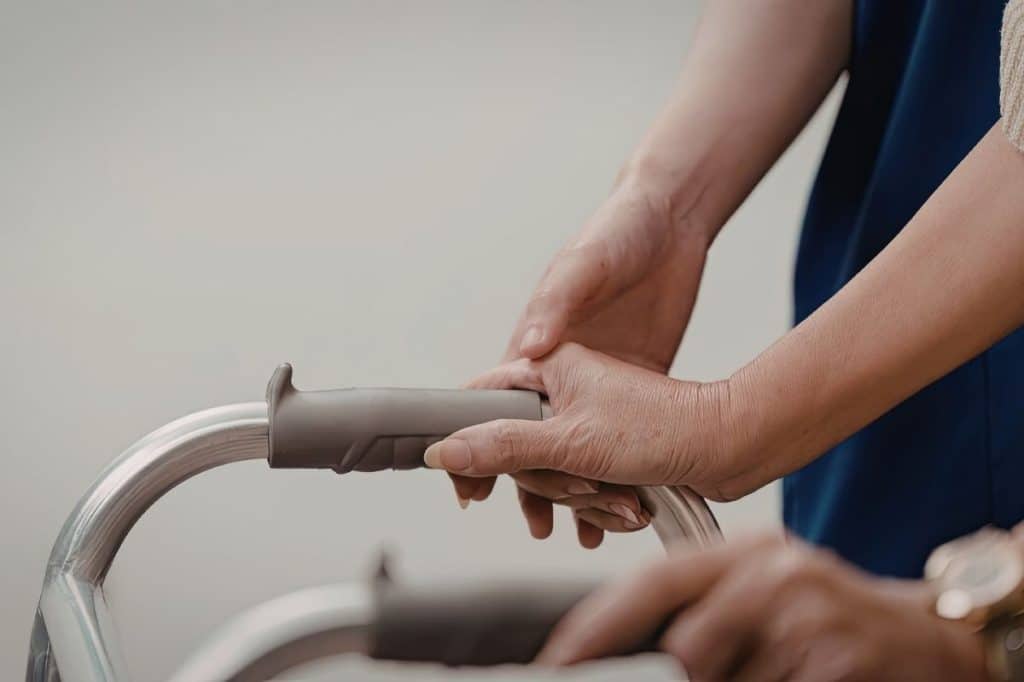
The hallway is air conditioned and unvented, which creates pressure on the exit door. Combined with the door closer, it is very difficult to open and often requires two hands or assistance. I use a walker and have a condition that causes muscle weakness. I have raised this issue with the owners corporation (OC), but they have not been helpful.
What options are available to address accessibility issues where common property doors are difficult to use?
Answer: Separate from outcomes on the smoke/fire doors compliance, consider your rights under the Disability Discrimination Act.
Some hallways can be pressurised. This is more likely in fire exit stairwells for emergency exiting. Often, this only activates in an emergency, when the positive pressure keeps smoke, heat, and potentially fire out of the stairwell. The pressure enables doors into the area to open easily but to remain closed when not in use.
From your description, it sounds like these doors could be smoke and/or fire doors. The fire services contractor would provide service reports to the OC at each scheduled inspection. Ask the OC to have the fire services contractor review and advise on whether the hallway and its doors comply with both the fire/smoke door safety standards and building code standards.
Owners can request access to documents via the OC Manager. Request a copy of the last scheduled service report and any additional specific inspection undertaken, which will detail any faults or non-compliance for fire safety.
It is very common for smoke &/or fire doors throughout buildings, and their auto closers to move slightly out of alignment or tolerances from regular use and become non complaint, requiring realignment adjustments.
For these reasons, the fire services contractor is probably the best contractor to initially advise, although a builder or building inspector familiar with door compliance could also assist.
Given the concerns raised and potential hazards, the OC should be undertaking this check for its own proactive maintenance and risk mitigation. Should the OC refuse to review the hallway door (s) to ensure they meet standards and comply, you may need to engage these services yourself.
It would be reasonable for the OC to agree to indemnify you against an agreed cost for a report should the doors be found to be non compliant.
Separate from concerns or outcomes on the smoke/fire doors compliance, consider your rights under the Disability Discrimination Act (DDA).
In the case Anne Black v Owners Corporation OC1-POS539033E [2018] VCAT 185, a precedent was set in VCAT and then the Victorian Supreme Court. An OC manages and controls access to and use of common property can be considered to be providing a “service” for the purposes of the Equal Opportunity Act. This results in OC’s being subject to the general prohibition on disability discrimination in services; and a positive duty to make any “reasonable adjustments”.
In the mentioned case, the OC argued they would allow the applicant to do/access works if she paid. The Supreme Court’s framing of the issues made it clear the dispute was not merely about permission, but that the adjustments were the OC’s responsibility.
Regardless of whether the building complied when constructed, the discrimination framework allowed for a requirement on the OC to make adjustments or modifications so the resident could access and use the building.
This ruling has seen many OC’s install, at their own cost, ramps, push button automated doors and other accessibility modifications to common property as a reasonable adjustment.
You can request assistance to support your use of the door with disabilities, so you can fully use it in the same way and with the same ease as any other resident or visitor. A reasonable adjustment may involve the OC installing a push button automation for the door.
Ask your carers and support services advisers. An occupational health therapist could provide a report and guidance on your home access, which you could submit to the OC for consideration.
Hedley Gaudin Australian Owners Corporation Management (AOCM) E: hedley.gaudin@aocm.com.au P: 03 9863 9100
This post appears in the March 2026 edition of The VIC Strata Magazine.
Have a question or something to add to the article? Leave a comment below.
Read next:- VIC: Q&A Can the owners corporation restrict access to common property?
- VIC: Q&A Stairwells, Fire Doors and Safety
- VIC: Q&A Key Safe, Doors and Access Keys

Visit our Maintenance and Common Property, Strata By-Laws and Legislation OR Strata Title Information Victoria.
Looking for strata information concerning your state? For state-specific strata information, take a look here.
After a free PDF of this article? Log into your existing LookUpStrata Account to download the printable file. Not a member? Simple – join for free on our Registration page.