


This article discusses what happens if an owner refuses consent for an exclusive use by-law in WA.


Question: What happens if an owner refuses to sign consent for an exclusive use by-law intended to shift maintenance responsibility to owners?
At our last AGM, the strata company passed an exclusive use common property by-law without dissent. I did not challenge it at the meeting.
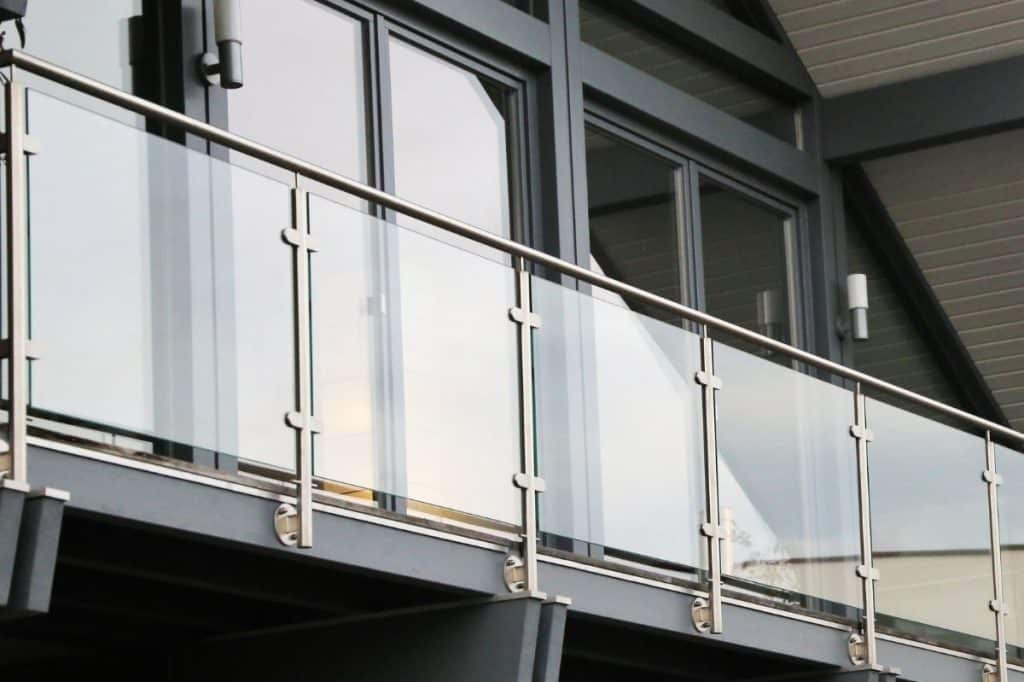
The by-law gives me exclusive use of the balcony railing, which is common property around my balcony. It passes responsibility for maintenance, repair, and comprehensive insurance to me, while indemnifying the strata company and council of owners.
The strata company has told me the by-law passed without dissent, and I must either sign the Landgate consent form or refuse. They have not answered my questions about the insurance and indemnity obligations.
If I do not sign the Landgate consent form, what happens to the by-law and my obligations? Can the strata company charge me the legal and registration costs of preparing and lodging the by-law, and should they have obtained my consent before putting the by-law to a vote?
Answer: Declining to sign the consent form prevents the by‑law from taking effect and does not create liability for the drafting or registration costs.
Under section 43 of the Strata Titles Act 1985 (WA), a by‑law that confers exclusive use or special privileges over common property is only effective once it has been registered at Landgate. Registration cannot occur unless the by‑law has been passed by resolution without dissent and each lot owner whose lot is affected has provided written consent.
In this case, although the exclusive‑use by‑law was passed without dissent at the annual general meeting, it imposes obligations on the affected lot owner, including responsibility for maintenance, repair, and insurance. Because the by‑law directly affects that lot, the owner’s written consent is a statutory requirement for registration. Without that consent, Landgate will not register the by‑law, and it therefore has no legal effect.
If you choose not to sign the Landgate consent form:
- the by‑law cannot be lodged or registered
- the by‑law does not come into force
- the owner does not assume the additional obligations proposed in the by‑law
You are not liable for the strata company’s legal costs associated with drafting or preparing the by‑law unless they expressly agreed to bear those costs. The strata company decided to prepare and pursue the by‑law, and the associated expenses remain its responsibility.
Regarding dispute resolution, the strata company cannot compel an owner to provide consent through the State Administrative Tribunal (SAT). SAT does not have the power to override the consent requirement in section 43. As such, you are not required to initiate proceedings, and there is no basis for costs to be awarded against you simply for declining to sign.
In summary, while the by‑law was validly passed at the meeting, it cannot be registered or enforced without the affected owner’s written consent. Declining to sign the consent form prevents the by‑law from taking effect and does not create liability for the drafting or registration costs.
Luke Downie WA Strata Consultant E: Email P: 0456 589 639
This post appears in Strata News #783.
Have a question or something to add to the article? Leave a comment below.
Read next:- WA: The State Administrative Tribunal and Strata Disputes
- WA: Q&A Strata bylaws + bylaw consolidation
- WA: Q&A Termination of strata titles scheme – Strata Titles Act 1985, Part 12

Visit our Strata By-Laws and Legislation, Maintenance and Common Property OR Strata Information WA.
Looking for strata information concerning your state? For state-specific strata information, take a look here.
After a free PDF of this article? Log into your existing LookUpStrata Account to download the printable file. Not a member? Simple – join for free on our Registration page.