


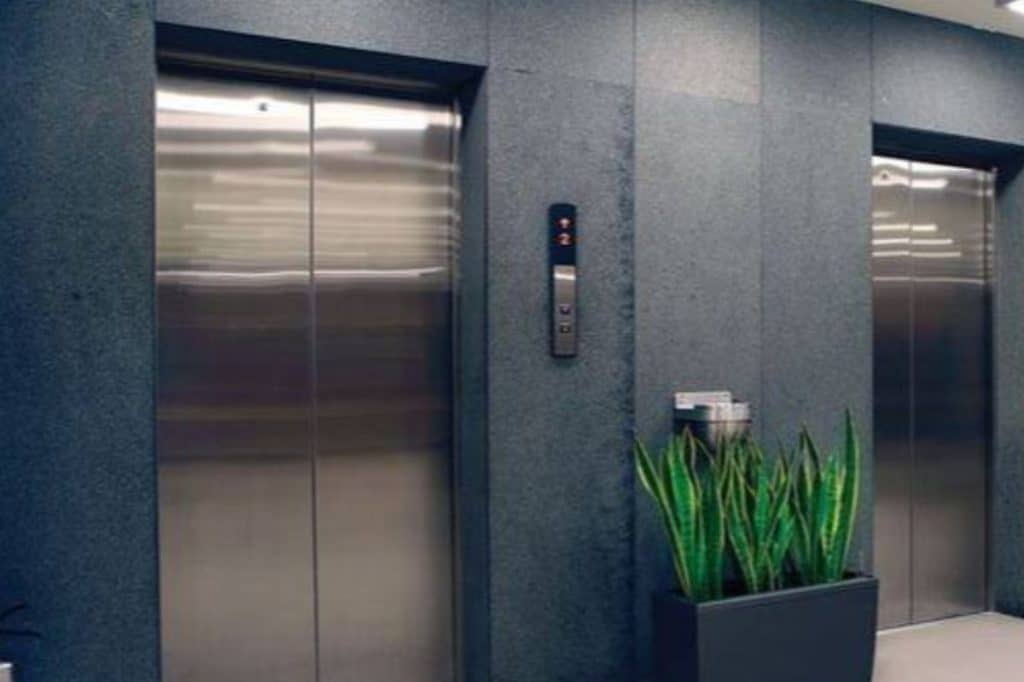
Lift replacement is one of the most significant capital decisions an owners corporation will face, directly affecting safety, compliance, property values, and residents’ day-to-day experience. If the owners corporation gets it right, the building can benefit for decades. Get it wrong, and costs can escalate quickly.
During this webinar, Andrew Batynski from ABN Lift Consultants explained how a structured, independent approach to lift maintenance helps strata schemes across Australia to plan lift upgrades with clarity, confidence, and long-term value.
NAT: Elevators in strata – planning lift replacements and upgrades with confidence | Andrew Batynski from ABN Lift Consultants – April 2026

Why lift replacement matters
Residents often overlook lift replacement until something goes wrong. In reality, it plays a central role in how a building functions and is perceived.
Andrew explains that lifts can be taken for granted when they are operating properly, but when they fail, they quickly create significant disruption and problems for residents.
From a practical perspective, lift performance impacts:
- Safety and compliance with current standards
- Property value and marketability
- Resident satisfaction and accessibility
- Long-term operating and maintenance costs
Because of these factors, lift replacement decisions should never be rushed or based on incomplete advice.
When should a lift be replaced?
Lifts don’t have a fixed replacement date. Timing depends on condition, usage, and the maintenance history of each lift.
Andrew explains that each case must be individually assessed, but once a lift reaches around 20 years of age, owners should begin planning for upgrades or replacement.
Common warning signs signalling attention is required include increasing breakdowns, rising maintenance costs, obsolete parts, and safety or compliance issues. The presentation also highlights that lifts typically reach the end of their economic life somewhere between 20 and 30 years.
Maintenance matters. It’s no surprise that heavily used or poorly maintained lift systems may need earlier replacement, whereas well-maintained lifts may last longer. Andrew confirms that although good maintenance can extend the lifespan of lift equipment, usage levels still have a major impact.
The key takeaway – don’t wait for failure. Start with an independent condition assessment to understand what you are dealing with and when action will be required.
Modernisation or full replacement?
One of the most common questions for strata schemes is whether to upgrade components or replace the lift.
Partial upgrades can extend the life of some systems, but they may not be the best long-term solution. Older lifts, particularly those reaching 30 to 40 years, often become inefficient and difficult to maintain.
Andrew explains that while upgrades may be possible in some cases, lifts that have reached 30 years or more are often better replaced entirely from both a cost and performance perspective.
The presentation reinforces this approach by comparing lifecycle costs, reliability, and compliance outcomes when deciding between staged modernisation and full replacement.
Independent advice ensures that decisions reflect long-term value, rather than short-term savings. But don’t forget that each building requires its own assessment.
Why independent advice is critical
Lift contractors often provide the first recommendation when issues arise. However, that advice may not always align with the best outcome for owners.
Andrew explains that contractor recommendations can sometimes be influenced by their own commercial interests, rather than providing a fully independent and objective view.
Contractor-led advice can lead to risks, including limited product options and incomplete scopes. The solutions offered could prioritise your short-term fixes over your long-term outcomes.
Independent lift consultants can remove this conflict by:
- Assessing the lift condition objectively
- Defining clear specifications
- Running a competitive tender process
- Comparing proposals on a like-for-like basis
Introducing a lift consultant into the process can help owners corporations make informed decisions and avoid costly mistakes.
Your step by step lift replacement process
A structured process reduces risk, improves pricing outcomes, and ensures the final solution meets the building’s needs.
The typical lift replacement journey begins with a condition assessment and feasibility review, followed by budget planning and detailed specifications. The consultant then manages a competitive tender process, inviting multiple suppliers to submit proposals.
Andrew explains that this competitive process helps drive better pricing outcomes for owners.
Once a contractor is selected, the process moves into contract negotiation, design finalisation, manufacturing, and installation. Consultants continue to oversee the project, conducting inspections and ensuring compliance through to completion.
Understanding timelines and disruption
Lift replacement requires careful planning. The planning is particularly important in occupied buildings where the committee must consider residents’ needs.
From the presentation and transcript, a typical timeline includes:
- Assessment and feasibility
- Specification and tendering
- Manufacturing and shipping, often 20 to 26 weeks
- On-site removal and installation, which can take several weeks depending on building height
During installation, residents may be without a lift for an extended period. In a mid-rise building, Andrew explains how residents may be without lift access for around 10 weeks.
The process and timeline allow plenty of time for advanced planning. Residents may need to adjust work arrangements, travel plans, or temporary accommodation to manage the disruption.
Designing a better lift for the future: Cost, energy and long-term benefits
Replacement projects present an opportunity to improve performance, accessibility, and efficiency significantly. New lifts also meet current accessibility and safety standards and provide a more comfortable ride.
Modern systems can offer quieter operation, improved reliability, and better use of existing shaft space. Andrew explains that in most cases, lift car sizes can be increased within the existing shaft, improving usability for residents.
While lift replacement is a major investment, it delivers measurable long-term benefits. New systems now reduce breakdowns and ongoing maintenance costs, while introducing great features such as regenerative drives and LED lighting, significantly reducing electricity consumption. Andrew explains that modern lift systems, particularly in taller buildings, can even generate and return energy to the building!
These improvements contribute to lower operating costs and better environmental performance over time.
Final takeaway
Lift replacement may be complex and disruptive. However, with the right advice and planning, the process becomes far more manageable.
Andrew encourages owners not to ignore safety issues. If owners hear a strange noise or experience a disruption when travelling in the lift, don’t hesitate to hit the button and contact the lift support company. Residents should act promptly if concerns arise at any time.
When it comes to lift maintenance and replacement, start early, seek independent advice, and take a structured approach. This combination will help your owners corporation deliver a safer, more reliable, and future-ready lift system for the long-term benefit of all residents.
Download the presentation
Vertical Transportation.This post appears in Strata News #787.
Andrew Batynski ABN Lift Consultants E: Andrew@abnlift.com P: 02 8004 6832
