


Fire risks are often the result of everyday oversights – not major faults. For property managers, business owners, and strata, understanding these risks is key to protecting people, property, and compliance.
Here are some of the most common hazards we see across workplaces and apartment buildings, and how to stay ahead of them.
- Electrical Overload & Faulty Equipment
Overloaded power boards, damaged cords, and aging appliances are a leading cause of fires.
Prevention:- Avoid overloading outlets and power boards
- Regularly inspect cords and equipment
- Schedule routine electrical checks
Storage in hallways, stairwells, or in front of fire equipment can delay evacuation and emergency response.
Prevention:- Keep exits, corridors, and fire equipment clear at all times
- Conduct regular site checks, especially in common areas
- Educate staff and residents on keeping pathways unobstructed
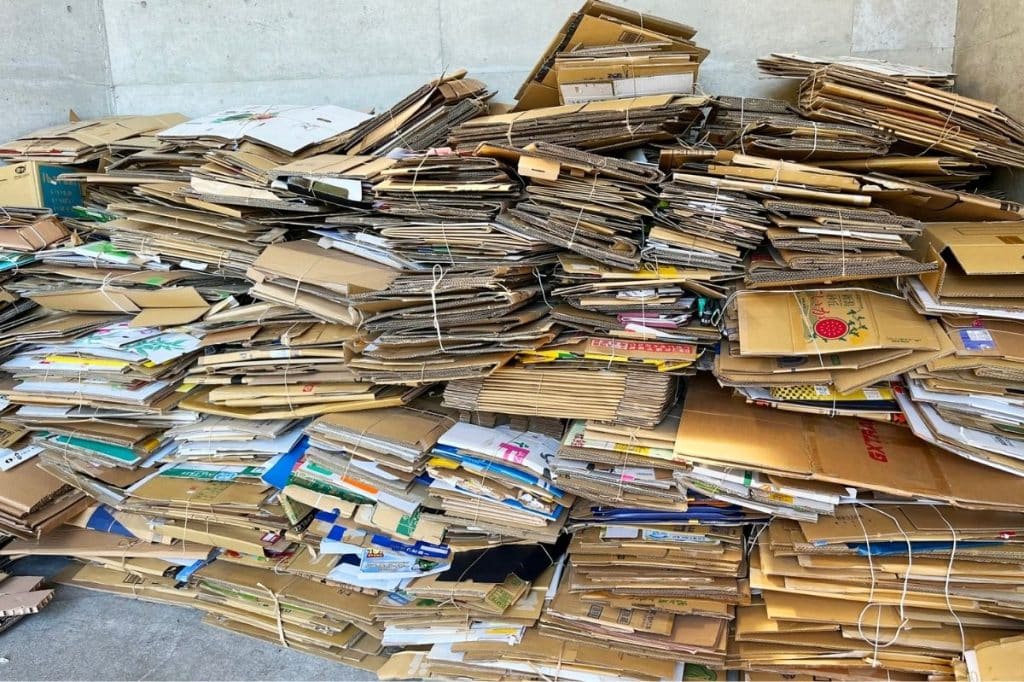
Cardboard, paper, dust, and general clutter can quickly become fuel for a fire.
Prevention:- Maintain regular cleaning schedules
- Remove excess storage and waste promptly
- Keep plant rooms and service areas clear
Portable heaters and appliances placed too close to flammable materials increase fire risk, particularly in cooler months.
Prevention:- Keep heaters at a safe distance from furniture, curtains, and paper
- Ensure equipment is in good working condition
- Avoid using damaged or unapproved appliances
Fire doors are designed to contain fire and smoke – but only when closed.
Prevention:- Never wedge fire doors open
- Ensure doors close and latch properly
- Conduct routine checks to confirm functionality
Fire equipment that isn’t regularly serviced may fail when it’s needed most.
Prevention:- Stay up to date with scheduled inspections and servicing
- Address defects promptly
- Keep clear records of maintenance and compliance
Many of these risks are simple to prevent, but if overlooked, they can have serious consequences – including increased damage, compliance breaches, and impact on insurance.
A proactive approach to fire safety ensures your building remains compliant, your occupants are protected, and risks are managed before they escalate.
This post appears in Strata News #793.
Alan Short FESSA E: admin@fessa.com.au P: 08 8262 9245

This article has been republished with permission from the author and first appeared on the FESSA website.