


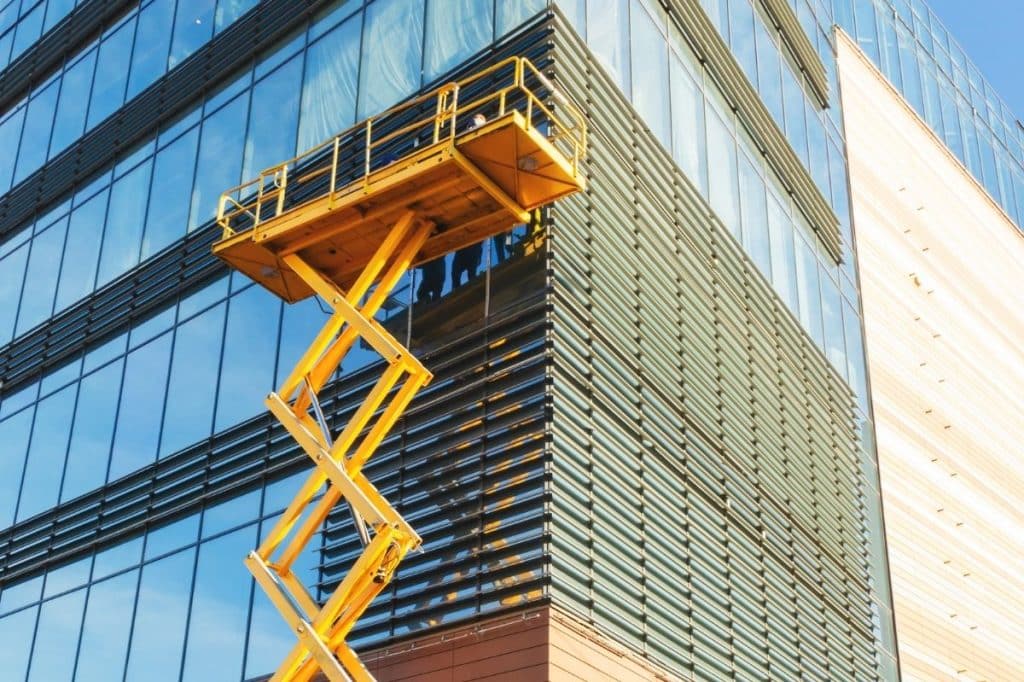
Question: A contractor damaged our retaining wall using a scissor lift, and we don’t know if the chairperson approved the access route. Does that affect who is liable, and can the body corporate make an insurance claim?
We have 6 units and 5 committee members. Four committee members engaged a contractor to fix barge boards and eaves. I was advised the contractor would use a scissor lift at the southern end of the building, but they went to the rear instead, placed the lift on the retaining wall, and cracked it in five sections.
I don’t know if the chairperson authorised this. If they did, were they obligated to let committee members know? If not, is the chairperson personally liable to rectify the wall? If it goes through insurance, who is liable for the excess?
Answer: Liability for contractor damage to a retaining wall depends on the specific facts, but if the damage resulted from a sudden and accidental event, a valid insurance claim may be available to the body corporate.
Liability in situations like this is rarely straightforward. It will depend on the specific facts, including the instructions given to the contractor, the authority provided, and the contractor’s response once the damage was formally raised with them.
Based on the information provided, there are certainly issues that may give rise to liability questions. For example, if the contractor placed the scissor lift on the retaining wall without approval or without notifying the body corporate, that would likely be a concern.
In terms of insurance, there may potentially be a claim available to the body corporate. While many insurers exclude damage to retaining walls caused by storms or gradual movement, this situation appears different. If it can be demonstrated that the cracking was directly caused by the weight or placement of the scissor lift (a sudden and accidental event), the insurer may consider the claim.
If an insurance claim is lodged and accepted, the body corporate would generally be responsible for the policy excess. If the insurer later recovers costs from another party, such as the contractor, they would typically reimburse the body corporate if successful.
Usually, the insurer determines whether the claim is covered and, if so, arranges repairs. Any recovery action against responsible parties generally occurs later, once the full extent and cost of the repairs are known.
This post appears in the July 2026 edition of The QLD Strata Magazine.
Tyrone Shandiman Strata Insurance Solutions E: tshandiman@iaa.net.au P: 1300 554 165
This information is of a general nature only and neither represents nor is intended to be personal advice on any particular matter. Shandit Pty Ltd T/as Strata Insurance Solutions strongly suggests that no person should act specifically on the basis of the information in this document, but should obtain appropriate professional advice based on their own personal circumstances. Shandit Pty Ltd T/As Strata Insurance Solutions is a Corporate Authorised Representative (No. 404246) of Insurance Advisenent Australia AFSL No 240549, ABN 15 003 886 687.
